
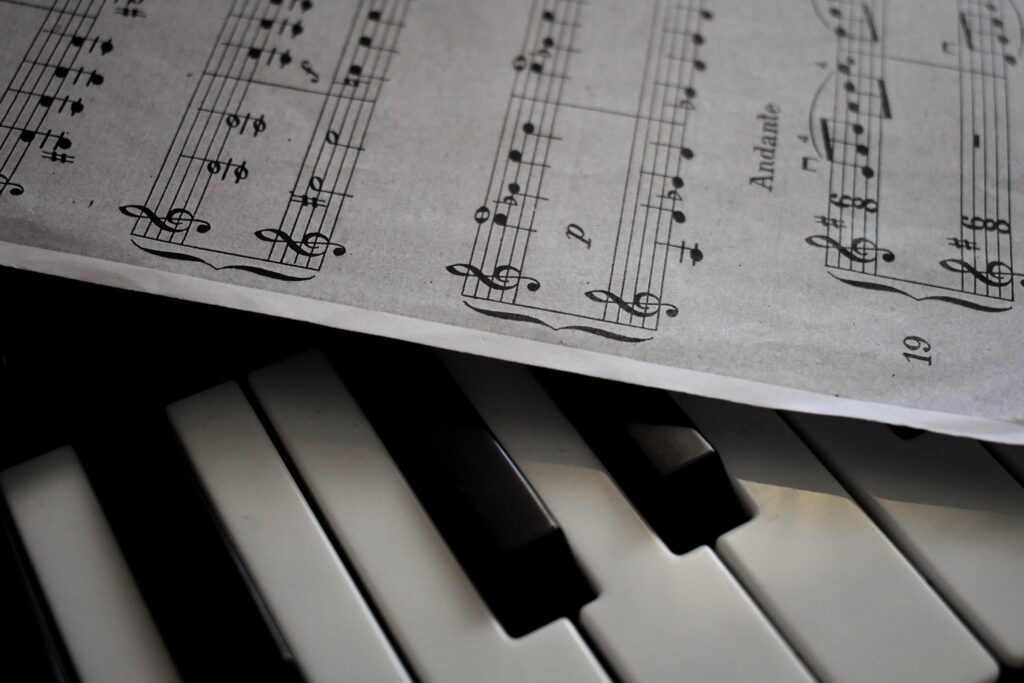
Music now has a planned role in major sporting events. At the 2026 FIFA World Cup, more than 750 music assets were prepared for warm-ups, team announcements, goals and post-match celebrations. FIFA worked with national associations to select tracks that suited individual teams as well as the wider stadium setting.
The soundtrack no longer stays inside the venue. Goal songs, entrance music and crowd chants appear in television coverage, supporter videos and short-form clips within minutes. At the same time, many viewers follow scores, statistics, messages and betting markets on a second screen. Music and data now compete for attention during the same match, even though they serve very different purposes.
Music Now Shapes the Full Matchday
For adults using a betway account, live markets may sit beside score updates, group chats and match coverage on the same phone. Betting is therefore part of a wider matchday routine rather than something experienced separately from the broadcast.
Ticketmaster’s 2026 State of Play Sport research surveyed 15,000 fans across eight international markets. It found that 24% believed more music and entertainment would strengthen fan loyalty. Among younger sports fans, 90% said they consumed highlights through social and digital channels. Those habits have changed how organizers use sound. A goal is no longer followed only by crowd noise and a replay. It may trigger a selected track, a burst of social content and a series of clips that carry the same music beyond the stadium.
The World Cup playlists were built around that wider life cycle. Music was assigned to warm-ups, team announcements, goals and full-time celebrations. Organizers could also respond to crowd reactions, allowing certain tracks to become linked with a team or tournament moment as the competition developed.
Live Markets Follow What Happens on the Field
In-play markets react to confirmed events. A goal or red card can trigger immediate repricing, while penalties and disputed incidents may cause markets to close temporarily until the event is verified. The same can happen during a video review or when officials need time to confirm whether play will restart.
This explains why a betting interface may pause during the most dramatic point of a match. The delay is not connected to crowd noise, commentary, or the music used by the broadcaster. It reflects uncertainty over the event itself. Production choices can still make an ordinary passage feel important. A chant may build before a corner, commentary may rise in volume and a familiar song may follow a near miss. None of those cues volume,s the score or confirms what will happen next.
GeoPoll’s June 2026 survey of 3,274 adults across seven African countries found that 58% of South African respondents had placed a football bet during the previous 12 months. The survey was conducted by mobile phone among adults aged 18 to 50 and included a relatively young sample. Its findings should not be read as a complete measure of the South African population, but they do show how closely mobile betting and live match viewing can overlap.
South African law draws a clear line around that activity. The National Gambling Board states that online betting is legal when offered by a licensed South African bookmaker. The South African Responsible Gambling Foundation also provides free and confidential counselling for people concerned about their gambling.
Local Music Gives Sport a Lasting Identity
South Africa offers a clear example of how sound can become part of sporting history. Vuvuzelas, organized singing and locally recognized tracks gave the 2010 World Cup a distinctive character. “Waka Waka,” performed by Shakira with South African group Freshlyground, became closely associated with the tournament, while domestic football and rugby continued to draw on local chants and entrance music.
The country also has the largest recorded music market in Sub-Saharan Africa. IFPI reported that South Africa generated 78.1% of the region’s recorded music revenue in 2025 after its market grew by 12.9%. That gives broadcasters, event organizers, artists and rights holders a large catalog to draw from. Local songs can be used around player arrivals, breaks in play and celebrations, then reused in match highlights or fan-made clips after the final whistle.
Stadium production increasingly relies on the same mixture of sound, visual technology and audience participation seen across modern live performance. The difference is that a sporting event cannot control its central outcome. Music can frame the moment, but the match still determines what supporters remember.
What the Soundtrack Can and Cannot Do
Music will remain part of football entrances, rugby build-up, boxing ring walks and major tournament ceremonies. It can lift a crowd, give a team a recognizable identity and help a sporting moment travel across digital platforms. Betting interfaces will continue to appear on the same screens used for scores, messages and highlights. That overlap makes the boundary between atmosphere and evidence more important. A stadium may sound as though something decisive is about to happen, but only events on the field change the state of the match.