
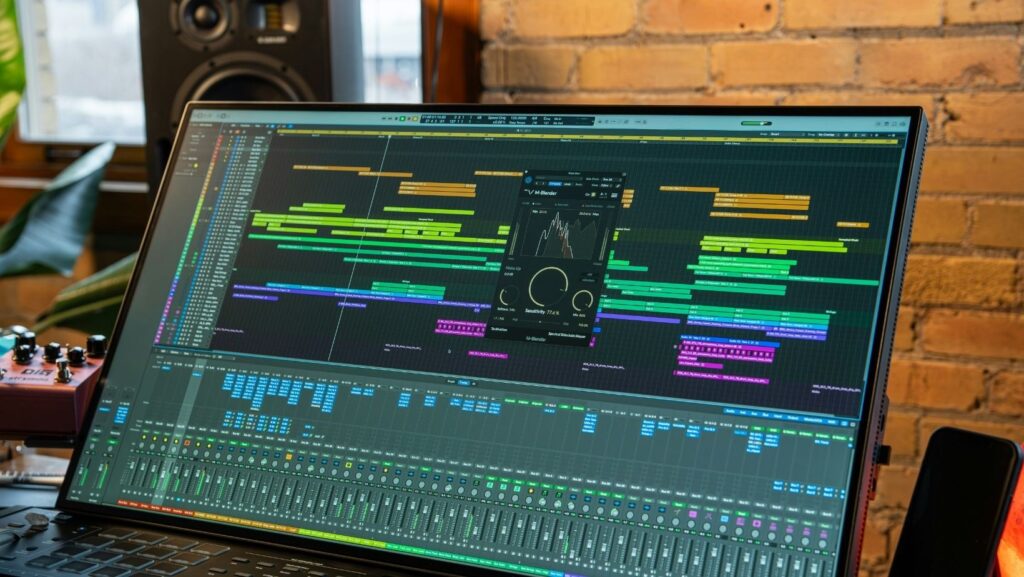
Modern sound design often focuses on large cinematic elements, yet many editors and sound designers know that small accents often define structure, timing, and clarity in a project because short sound elements help guide the viewer through visual changes, reinforce transitions, and give motion a sense of intention and control. In editing, sound is not only atmosphere or music, it is structure, and small sounds often carry more responsibility than large background elements because they mark moments, confirm actions, and support the rhythm of visual storytelling.
Editors and sound designers frequently use short sound accents to define transitions, reveal titles, support motion graphics, and reinforce scene changes, and these sounds help viewers understand visual movement without needing explanation because sound confirms what the eye sees and strengthens the connection between motion and meaning. In many projects, the difference between an edit that feels flat and an edit that feels controlled comes from these small sound accents placed at the right moment.
When working with hit sound effects, editors can place precise accents on cuts, transitions, logo reveals, interface interactions, and motion graphics movements, and these sounds act as markers that define timing and structure in a project while also adding energy and clarity to visual movement. These sounds are often short, sharp, and controlled so they cut through the mix and support the edit without overpowering music or dialogue.
The role of hits in editing structure
In many editing workflows, hits are used to mark important visual events such as scene cuts, text reveals, logo animations, and key visual transitions because they help the viewer feel the timing of the edit instead of only seeing it. A well-placed hit sound can make a simple cut feel intentional and controlled, and it can also help separate scenes or sections within a video without needing visual effects alone.
Motion graphics editors often rely on short hit sounds to support animated movements like shapes appearing, text sliding into place, or elements expanding on screen because these sounds give movement weight and presence, and they make animation feel connected to the timeline instead of floating without structure. Without sound accents, many motion graphics sequences feel visually correct but emotionally flat because the viewer does not feel the movement.
Trailer editors also use hits to mark structure inside trailers because trailers are built around timing, impact moments, and transitions between scenes, and hit sounds help separate these sections while also reinforcing dramatic moments. Even in short social media edits, hits are often used to support fast cuts and quick transitions so the edit feels controlled instead of chaotic.
Building transitions with sound accents
Transitions often feel incomplete without sound because visual movement alone does not always communicate energy or direction, and this is where short sound accents become important because they connect one scene to another and help the viewer follow the edit naturally. Editors often combine whooshes and hits together so the whoosh represents movement while the hit confirms the arrival of the next scene or element.
When a scene changes quickly, a short hit sound can act as a punctuation mark that signals the end of one visual moment and the start of another, and this helps structure the edit so viewers do not feel lost during fast transitions. This approach is commonly used in trailers, advertising edits, product videos, and motion graphics sequences where timing and clarity are important.
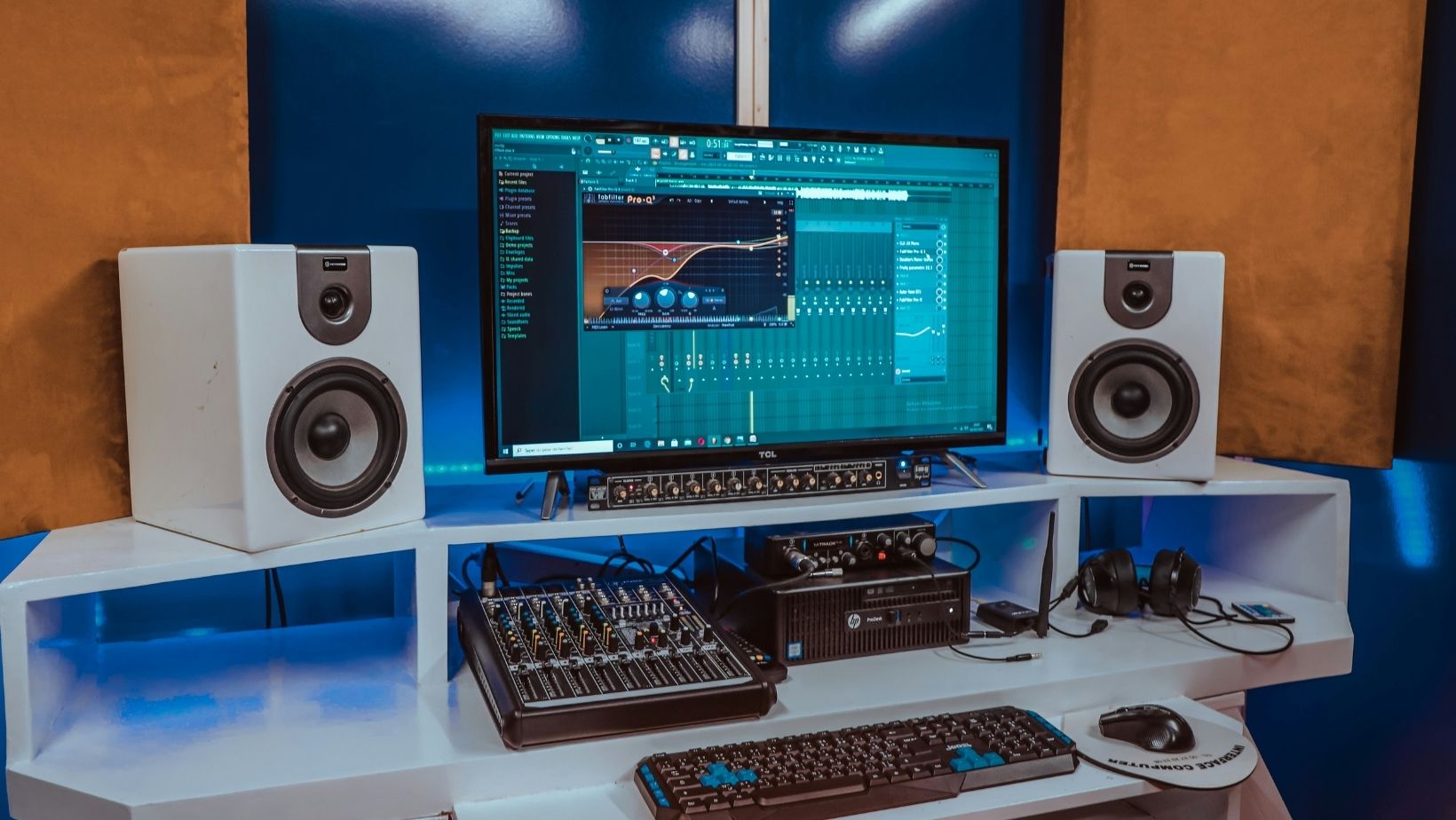
Transitions in modern edits often rely on sound layers rather than a single sound because layering allows editors to create transitions that feel larger and more controlled, and this is where combining hits with other sound elements becomes useful because each layer supports a different part of the transition. The hit defines the moment, the whoosh defines the movement, and the background texture supports the atmosphere.
Layering hits and impacts for stronger moments
Layering is one of the most important techniques in sound design because a single sound rarely delivers enough depth or power for important moments, and combining different sound elements allows editors and sound designers to build stronger and more detailed sound moments. Many editors combine hits with low booms, metal impacts, and sub drops so the final sound has both a sharp attack and a deep body.
When layering impact sound effects, hits often provide the initial attack while the impact adds weight and low frequency energy, and this combination is commonly used in trailers, game sound design, and cinematic transitions because it creates a sound that feels both sharp and powerful. This technique is also useful for logo reveals, title sequences, and dramatic scene changes where the sound needs to feel strong without becoming messy.
Game sound designers also use layered hits for actions such as menu selections, weapon interactions, character movements, and interface feedback because layered sounds make interactions feel more responsive and more physical. A simple hit combined with a low impact and a small texture layer can make a digital action feel more realistic and more satisfying.
Foley hits and tactile sound design
Not all hits are cinematic or dramatic because many projects require small tactile sounds that represent real movement and interaction, and this is where foley style hits become important because they add realism and texture to scenes. Small sounds like clicks, switches, button presses, paper movement, and mechanical interactions help create a believable environment and make visual actions feel connected to the real world.
Interface design, product videos, and technology related content often rely on small foley hits because these sounds support interactions such as tapping a screen, turning a knob, opening a device, or moving a mechanical component, and these sounds help communicate interaction without needing explanation. In product visuals, these sounds also help emphasize material, movement, and design details.
Foley hits are also useful in film and game environments because they add texture to movement such as footsteps, object handling, or small environmental interactions, and these sounds help fill the soundscape without relying only on background ambience or music.
Sound libraries built for modern workflows
Modern editing workflows move quickly, and editors and sound designers often need sound libraries that are organized, easy to search, and designed for layering so they can work efficiently without spending too much time searching for sounds. Libraries that contain categorized hits, impacts, transitions, textures, and foley sounds allow editors to build sound design quickly while still maintaining professional quality.
Many creators build their own sound collections over time because having reliable sound assets speeds up editing and makes it easier to maintain consistent sound design across projects, and curated sound collections designed for modern editing workflows can help editors work faster while still achieving detailed and controlled sound design. Platforms like Ocular provide curated collections of hits, impacts, textures, and foley sounds designed for editors, filmmakers, and motion designers who need clean, layered sound elements that fit modern production workflows.
Conclusion
Sound design is often associated with large cinematic sounds, yet many projects rely more on small sound accents than on large background elements because these small sounds define structure, confirm movement, and support transitions throughout an edit. Hit sounds help mark timing, layering adds depth and power, and foley sounds add texture and realism, and together these elements form the foundation of modern sound design across film, games, motion graphics, and digital content.
Editors who understand the role of small sound accents often create edits that feel more controlled, more intentional, and more professional because sound is not only something you hear, it is something that helps you understand movement, structure, and timing inside a visual project. Small sounds define big moments, and in modern sound design, those moments often determine how a project feels to the audience.