

Welcome to the intriguing realm of Gowthalamma, where cultural heritage and tradition intertwine in vibrant ways that both amuse and educate us. If you think this topic might be dull, buckle up because we’re diving deep into rituals, history, and maybe even uncover a myth or two that’ll raise your eyebrows. Let’s explore how this figure is more than just a name, it’s an embodiment of community spirit and continuity. Grab your cup of chai and let’s hop into the captivating realms of Gowthalamma.
gowthalamma
Historical Background
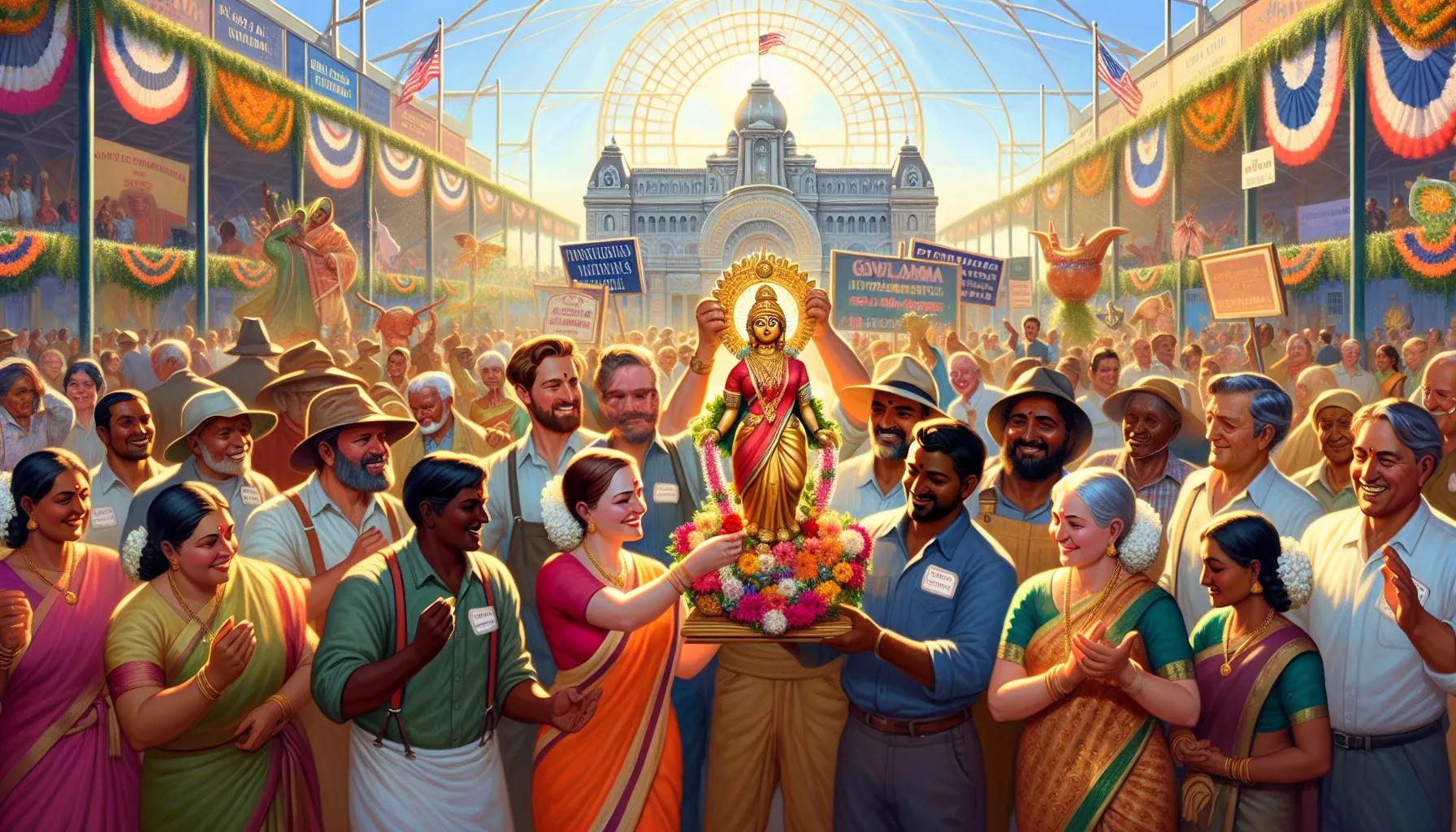
Gowthalamma’s origins can be traced back to various regions, making her a significant figure in many cultural traditions. Often revered as a goddess, she embodies femininity, fertility, and agricultural prosperity. Many believe she evolved from ancient practices where local deities were venerated in the villages to ensure bountiful harvests and community well-being. Interestingly, narratives surrounding her vary from one community to another, reflecting local customs and folklore.
Gowthalamma in Regional Practices
In different regions, Gowthalamma manifests through unique practices that highlight her cultural significance. We find her celebrated in elaborate rituals, festivals, and even art forms. For instance, some communities mark her worship with specific agricultural rites, particularly during harvest seasons. This not only reinforces her ties to fertility but also fosters a collective identity among the villagers as they engage in activities that echo their agricultural roots.
Rituals and Festivals Associated with Gowthalamma
Ceremonial Practices
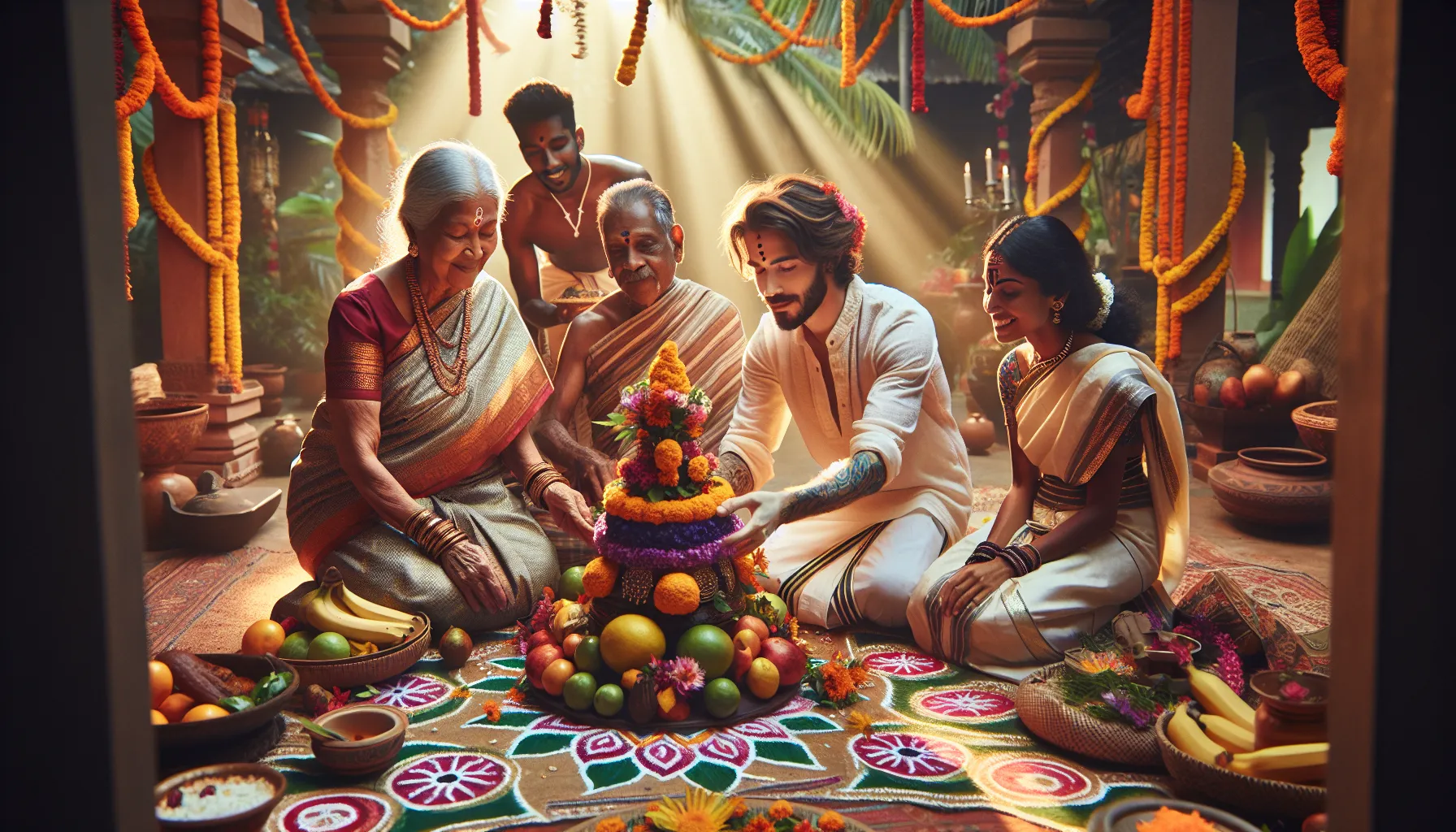
When it comes to rituals, we see a multitude of practices dedicated to Gowthalamma, each rich in symbolism and community participation. These ceremonies often include offerings of fruits, flowers, and grains, emphasizing gratitude and respect. The chanting of specific mantras plays a pivotal role as well, creating a spiritual environment that unites participants.
Community Involvement
One of the most heartwarming aspects of celebrating Gowthalamma is community involvement. The festivals that honor her are more like collective family reunions than isolated religious events. Everyone chips in, from the youngest members to the elders, fostering a sense of togetherness and shared purpose. It’s a time for storytelling, laughter, and even culinary delights, where traditional dishes are prepared and enjoyed.
Symbolism and Iconography
Artistic Representations of Gowthalamma
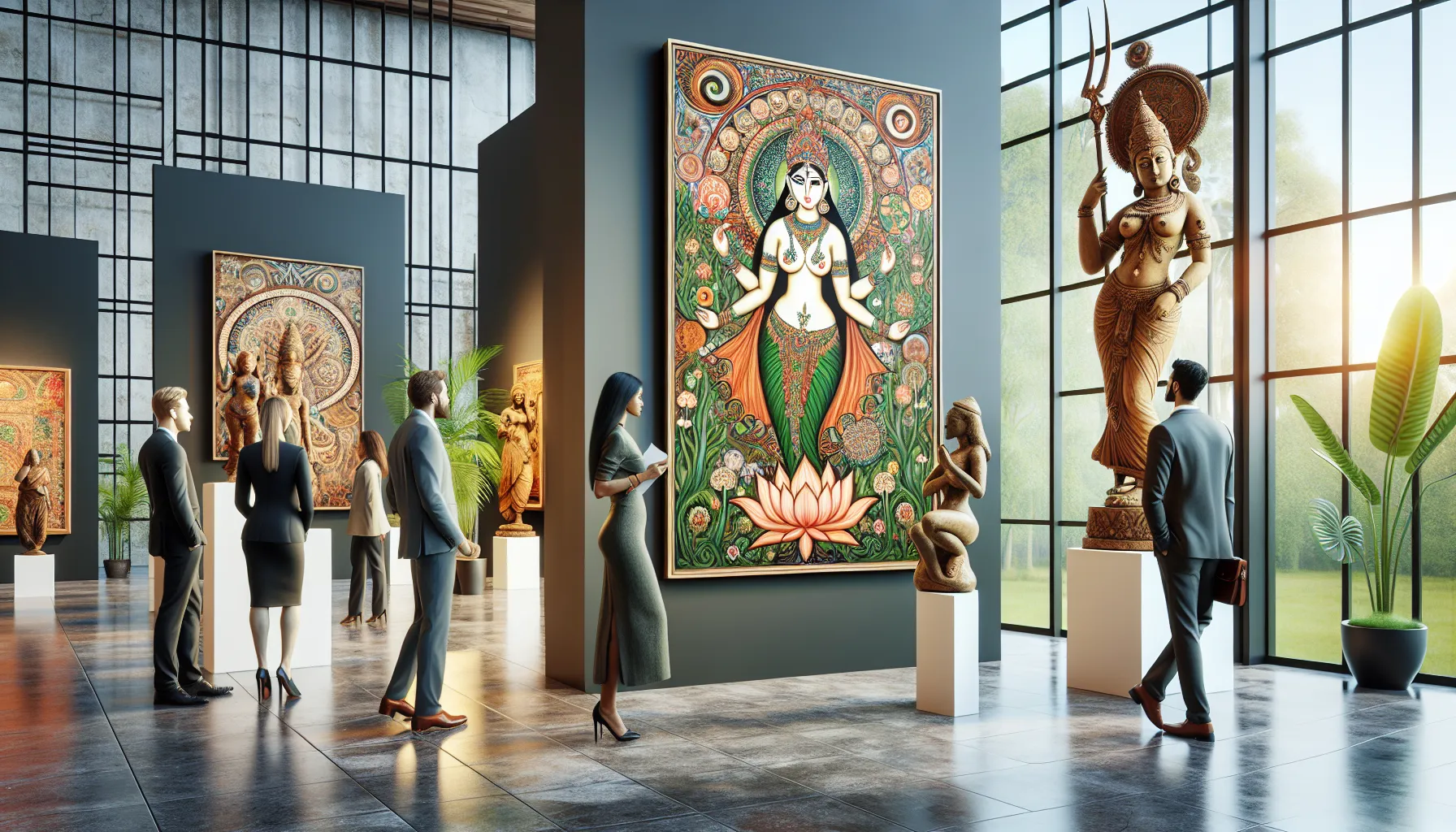
Gowthalamma is often depicted in various forms of art, ranging from traditional paintings to sculptures. The imagery surrounding her is laden with symbolism: for instance, she might be shown surrounded by greenery, symbolizing fertility and growth. In these artistic portrayals, we see a celebration of nature and the life-giving force it represents. Also, her images are utilized in crafts that reflect the cultural textiles and typical motifs of the region, showcasing the community’s heritage.
Folklore and Myths Surrounding Gowthalamma

Gowthalamma in Contemporary Culture
Gowthalamma transcends her historical roots, finding relevance in today’s cultural landscape. We often share stories about her that blend modern-day challenges with ancient wisdom. These tales serve to not only keep her memory alive but also to impart valuable life lessons. It’s fascinating how folklore evolves, allowing us to reinterpret her stories in ways that resonate with contemporary values.
Preservation and Modern Relevance
As newer generations become more distanced from traditional practices, preserving knowledge about figures like Gowthalamma is crucial. Various NGOs and community groups are working tirelessly to keep these stories and rituals alive. Whether through educational programs or cultural exhibitions, our efforts aim to bridge the gap between the past and present, ensuring that the spirit of Gowthalamma remains a living, breathing part of our culture.