
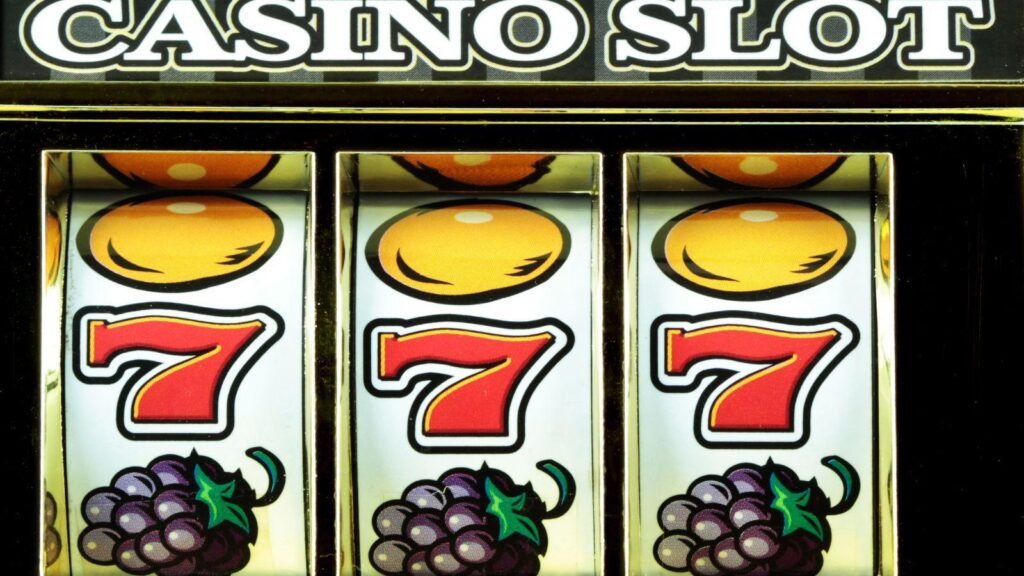
The modern iGaming world has moved well past the clunky mechanical bells and coin-clatter of old casino floors. Player retention now depends just as much on what you hear as what you see — maybe more. The real trick is a layered audio architecture that syncs with human physiology to keep you locked in a state of flow. Developers are building full sensory environments, and sound is doing a lot of the heavy lifting.
What Is Immersive Audio Design in Modern Slot Games?
Immersive audio design in modern slot games is the deliberate integration of thematic music, high-definition ambient sound, and responsive mechanical effects to build a cohesive virtual space. Done right, it turns a flat digital screen into something that actually feels like a place.
Instead of slapping on a generic jingle and calling it a day, today’s developers and platforms like Lucky Wave Casino work to build genuinely complex audio environments. These platforms let sound designers weave background music directly into the game mechanics of online slots — so when you load up a new game, you’re not just looking at graphics. You’re dropped into an auditory world where every spin, click, and coin drop has been tuned with real intention. That kind of detail keeps the theme intact and keeps you anchored in the experience longer than you might expect.
How Do Auditory Cues Shape the Bio-Acoustic Feedback Loop?
Auditory cues shape the Bio-Acoustic Feedback Loop by syncing specific game sounds with your body’s own physiological responses — things like heart rate shifts and changes in skin conductance. That back-and-forth between sound and physical reaction is what builds sustained psychological arousal and keeps engagement high.
Researchers like Mike J Dixon have shown that casino game audio does a lot more than entertain. When you hit a bonus feature, the sudden jump to high-tempo, major-key music triggers an immediate spike in subjective arousal. Your body responds — measurable dopamine release, distinct physiological changes — and that bridges the gap between software and actual human biology. So even during a dry run of non-winning spins, the emotional thread stays intact. The game hasn’t lost you yet.
The Mechanics of Dynamic Payout Sounds
Dynamic payout sounds are where this feedback loop gets really deliberate. Winning sounds in modern video slots are tiered by design. A small payout gets a short, pleasant chime. A big jackpot? That’s a full orchestral crescendo with animations to match.
But the more interesting — and honestly, more unsettling — mechanic is the use of losses disguised as wins (LDWs). These are spins where you win back less than your original wager, but the machine still fires off celebratory sounds and visuals. Your brain registers a win. The numbers say otherwise. These audio-visual pairings are precise enough to sustain engagement and blur the financial reality of what just happened — which is exactly what they’re designed to do.
Adaptive Audio vs. Static Sound Loops: What Is the Difference?
Adaptive audio systems change their tempo, volume, and complexity in real time based on what’s happening in the game. Static sound loops just play the same file on repeat, no matter what you do. That’s the core difference — and it’s a big one for how long players actually stay engaged.
Early slot simulators ran a single two-minute track on an endless loop. You’d notice it within minutes. Today, adaptive audio costs more to build and requires complex integration—much like the soundscapes found at https://www.playngo.uk/legacy-of-dead—but the payoff for player retention is hard to argue with. As you approach a bonus round, the system crossfades into something tense and building. When the bonus lands, the audio shifts into a full high-energy arrangement. It mirrors your journey through the game — and that makes the whole thing feel reactive, almost personal.
How Is 3D Spatial Audio Revolutionizing Mobile Gameplay?
3D spatial audio changes mobile gameplay by using binaural sound processing to simulate a full surround-sound experience through regular phone speakers or headphones. No expensive home theater setup required — just a decent pair of earbuds and the right software.
For a long time, mobile iGaming had a real hardware ceiling. Small phone speakers couldn’t reproduce the bass weight or crisp highs of a physical casino machine. But with 3D audio effects and spatial rendering, developers can now fool your ears into hearing directional sound. A coin drop might seem to come from just over your left shoulder. A music sweep might feel like it’s moving across the room around you. That kind of precision effectively dissolves the line between you and the device — and it means a mobile slot can hit just as hard, immersively speaking, as anything you’d play on a desktop.