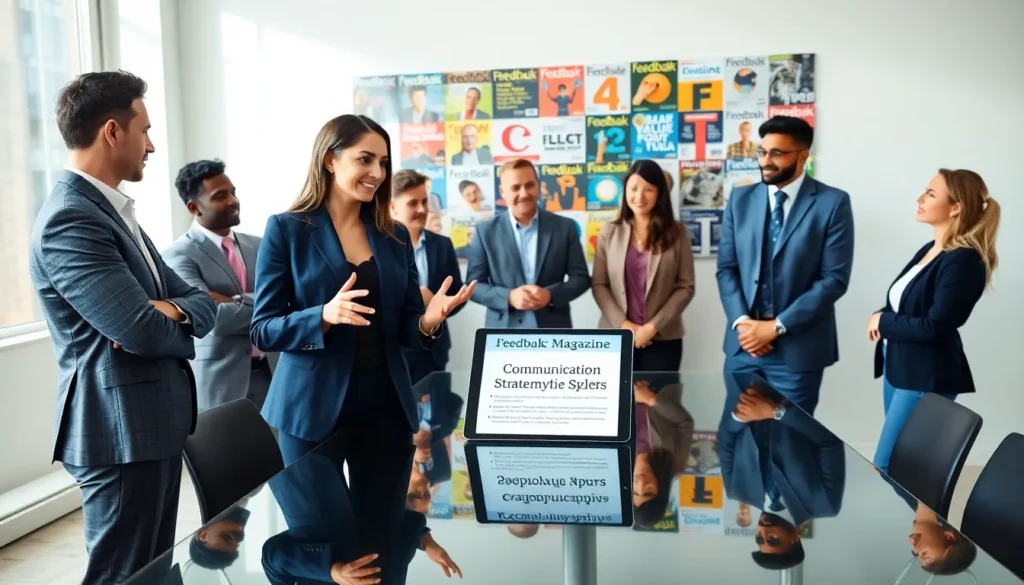
Collaboration is the process of working together as a team to achieve goals that an individual can’t do on their own. The future for collaboration looks bright, especially with the development of advanced digital tools. Teams will be able to use virtual reality in their workplace, while AI will encourage them to be more creative and efficient. This evolving collaboration culture will empower employees to work together to develop solutions, adapt quickly to change, and maintain strong connections regardless of location or time zone.
Understanding the Shift Towards Remote Collaboration
Remote collaboration involves co-workers from different cities, countries, and continents working together in a team. Collaboration for remote teams consists of working together on projects, finding solutions when needed, and simply supporting each other. Effective collaboration ensures that all team members stay aligned on goals and have equal opportunities to contribute. Unfortunately, as remote collaboration means that workers work from home, there are issues like loneliness, meaning a team member may feel too distant from the rest. Thus, remote teams need to have weekly or even daily meetings where they can share what they are working on and build better relationships.
Evolution From Traditional Offices to Digital Workspaces
As technology advances, the way we work also develops. Many companies nowadays make changes in the way they work, transforming traditional offices into remote work. As remote work becomes more popular, traditional work decreases, and people look for jobs that allow work from home. Digital workplace changes how we work, and it shapes the future of the working culture. However, companies need to create a balance between traditional and remote work to encourage efficiency and collaboration.
Challenges Faced by Teams in the Modern Digital Workplace
When working remotely, teams can face many challenges. One of the biggest challenges is gaps in communication and collaboration with other departments. As companies allow remote work, they should be prepared to improve communication and collaboration between teams. Let’s take a look at what challenges teams face in the modern digital workplace.
Communication Gaps
As mentioned above, teams struggle with communication and collaboration with other teams. When working remotely, communication apps or tools are important to stay in touch. To solve communication issues, companies must have a general channel to reduce context-switching and to keep files and progress in one place, visible to everyone. As communication is the top priority for team success, weekly or daily meetings are a must as well.
Collaboration in Remote Teams
Most of the time, people who work from home can work any time they want. When that happens, time zones and locations won’t match be the same, leading to misalignment and working individually. To solve this issue, companies can use cloud-based platforms that can keep everything accessible from different locations. Additionally, project spaces that make ownership, progress, and updates visible to all can make collaboration more efficient. Sometimes, having one group chat per team can help the team stay in touch, no matter the location or time zone.
Task Management Issues
When productivity drops, it is mainly due to unclear priorities, a lot of status updates, and undelivered work. Without knowing who is doing what or when, it is hard to manage deadlines, track progress, and balance workloads. To solve this challenge, teams should use collaborative tools to clarify ownership and next steps, build a structured workflow, and automate routine tasks so that teams focus on more meaningful work.

Low Employee Engagement
Low employee engagement is due to employees feeling disconnected from their team, goals, and their role. Employees need to be given surveys to check their motivation and to see whether or not they are still able to commit to their jobs. Additionally, offering flexible hours is also important, especially work hours that support both performance and personal life.
Innovative Tools Reshaping Communication Dynamics
Tools enhance work culture and communication within companies, creating good relationships between colleagues. In the study “Exploring the Role of Digital Communication Tools in Shaping Organisational Culture and Enhancing Internal Communication”, innovative tools play a key role in shaping team relationships. The study highlights the fact that while tools enhance communication, it is important to encourage critical thinking, teamwork, adaptability, and creativity, fostering trust, respect, and responsibility within teams.
Real-Time Collaboration Features for Global Teams
As digital collaboration tools became essential, many industries beyond the traditional corporate world use them to transform their workplace communication. A good example of this is the Casino Days live casino games. They rely on seamless live streaming technology, real-time communication tools, and interactive user interfaces. Additionally, they leverage advanced chat systems and real-time interaction features, similar to those used in remote workplaces.
The Impact of Virtual Reality on Team Building Activities
The impact that virtual reality has on team-building activities is related to skill development and improvement. Virtual reality is a safe and controlled environment, and teams can practice skills like problem-solving, decision-making, leadership, and adaptability. These experiences may reveal some hidden talents and create a culture of trust and respect among colleagues. You may think that VR is only a tool, but it is a door for new opportunities for communication and collaboration for teams.
Measuring the Success of Digital Collaboration Strategies
Most project or team managers rely on their gut feeling to measure the success of digital collaboration. However, it is important to define step-by-step stages if a clear answer is needed. Here is a short guide to help you when measuring the success of digital collaboration strategies:
- Step 1: Define collaboration success criteria;
- Step 2: Choose your measurement framework;
- Step 3: Select metrics, including communication, productivity, quality, and relationship metrics;
- Step 4: Use measurement tools that blend smoothly into existing workflows without creating more work;
- Step 5: Collecting and analysing data. Analysis framework:
- Green zone: Exceeding benchmarks;
- Yellow zone: Maintaining benchmarks;
- Red zone: Needs improvement.
- Step 6: After gathering and analysing the collected data, you need to interpret the results and take action if necessary.
With the help of these steps, your teamwork will improve, and it can help you thrive in the workplace.
Must-Have Skills for Effective Online Collaboration
If you are working with a team and you have trouble collaborating, then these strategies may help you improve that.
- Transparency and clear communication are the top priorities. To avoid miscommunication and ambiguity, keep messages short. You can also set response times, urgency levels, meeting etiquette, and other rules for team members;
- Active listening while nodding your head shows that you respect and value what the other person says. Additionally, make sure to ask follow-up questions, as it allows the speaker to clarify when and if needed;
- Adapting, compromising, and flexibility bring people together and allow them to communicate;
- Make sure to always ask for feedback and give when it is needed. This fosters communication and collaboration.
Adapting to Hybrid Work Models: Combining the Best of Both Worlds
In some cases, it is better to include hybrid work. For example, employees can work from home, but for meetings they should go to the company. The hybrid work model boosts engagement and collaborativeness while improving productivity and communication. Furthermore, allowing employees to choose where to work from (home or office) increases job satisfaction and efficiency.