
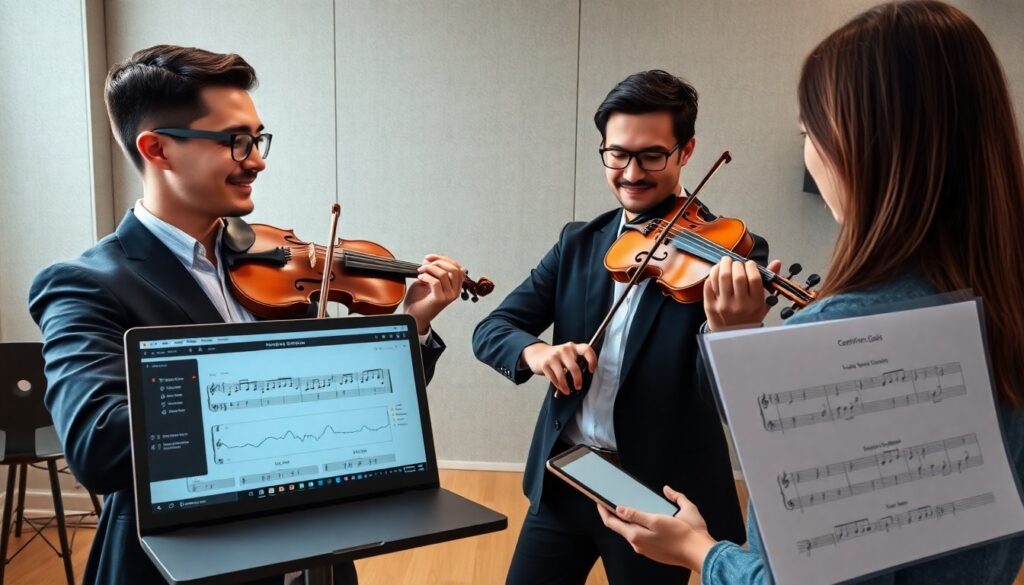
eye tracking feedbackmagazine musical instruments shows how eye-tracking can improve practice for players. The technology tracks gaze and reports timing and focus. Musicians get clear data on where they look, when they look, and how that affects playing. This article explains core findings, simple workflows, and real examples that teachers and students can use today.
Key Takeaways
- Eye tracking technology provides musicians with clear data on their gaze patterns, helping improve timing and focus during practice.
- Tracking gaze fixations and lead time enables teachers to identify reading inefficiencies and predict timing errors for targeted drills.
- Using eye-tracking feedbackmagazine musical instruments tools, teachers can set specific, measurable goals that reduce mistakes and enhance performance.
- Affordable eye-tracking hardware and software options make it accessible for students and professionals to integrate visual feedback into regular practice.
- Real examples show that adjusting gaze lead time and fixation habits leads to quicker error reduction and smoother musical phrasing.
- Short, focused feedback sessions using eye tracking support concrete progress without overwhelming the musician, improving overall practice efficiency.
What Is Eye-Tracking And Why It Matters For Musicians
Eye-tracking measures where a person looks and when they look. The device records gaze points and fixations while the musician reads a score or watches their hands. Researchers and teachers use eye-tracking to link visual attention with sound outcomes. For instrument learners, the data shows inefficient reading habits and missed cues. The phrase eye tracking feedbackmagazine musical instruments appears in many recent summaries and reviews. Modern eye-trackers fit on glasses or sit below a monitor. Software converts gaze data into heat maps, timelines, and simple metrics that teachers can discuss with students.
What Eye-Tracking Reveals During Instrument Practice
Eye-tracking reveals how visual behavior affects technical and musical choices. The data highlights reading speed, spot-checks, and look-ahead distance. Teachers use this information to change practice tasks and set clear goals. Many reports in eye tracking feedbackmagazine musical instruments stress that small gaze shifts predict timing errors. The results guide drills that reduce stops and hesitations.
Gaze Patterns, Fixations, And Attention Allocation
Gaze patterns show where attention rests during performance. Fixations last a fixed time and indicate information intake. Musicians who fixate too long on one spot miss upcoming entries. Eye-trackers record fixation duration, fixation count, and regression frequency. Teachers view these metrics to pinpoint weak spots in reading and sight cues. Multiple articles in eye tracking feedbackmagazine musical instruments show that shorter, purposeful fixations link to smoother phrase transitions.
Visual‑Motor Coordination And Score Reading
Eye-tracking links eye movement with hand movement and timing. The device timestamps gaze and audio or MIDI output. Analysts compare gaze onset to note onset to measure lead time. Positive lead time gives players time to prepare difficult passages. Negative lead time often signals reactive playing and mistakes. Reports in eye tracking feedbackmagazine musical instruments report consistent lead times for advanced players and variable lead times for intermediate players. Teachers use that gap to set measurable practice targets.
Practical Feedback Workflows: Tools And Methods Musicians Can Use
Practitioners create short feedback loops that fit regular practice. They record a short excerpt, add the eye-tracker, and run one focused trial. The software generates visual reports within minutes. The teacher reviews heat maps with the student and sets one specific goal for the next session. Many users of eye tracking feedbackmagazine musical instruments recommend limiting feedback to a single metric per practice session to avoid overload. This method keeps practice concrete and measurable.
Affordable Hardware And Software Options For Practice Sessions
Low-cost eye-trackers now cost a few hundred dollars and work with laptops or tablets. Webcams with gaze-estimation can give rough feedback for free. Several apps pair with audio capture and export CSV or annotated video. The market for simple tools receives regular coverage in eye tracking feedbackmagazine musical instruments. Musicians can start with a webcam solution and move to wearable trackers as needs grow. The key is to pick tools that export clear metrics so teachers can compare sessions.
Real‑World Benefits And Short Case Examples From Instrument Practice
A violin teacher used eye-tracking to cut student errors by tracking look-ahead distance. The teacher measured gaze lead time and asked the student to increase lead time by two beats. Errors fell within three short sessions. A pianist used gaze heat maps to break a habit of over-fixating on the right hand. The pianist shifted focus to page layout and gained fluidity. These stories appear in eye tracking feedbackmagazine musical instruments and in workshop notes. The technology helps teachers set clear, measurable targets and helps students see immediate progress.