
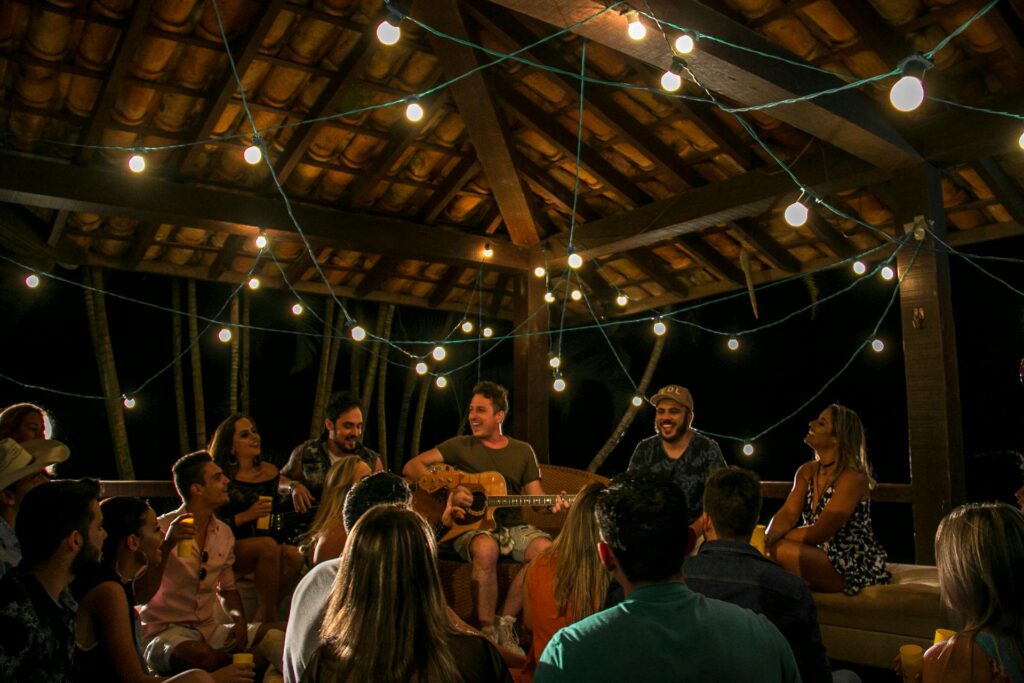
While recorded music has become more accessible than ever, live performances remain the most powerful way for artists to connect with audiences and generate sustainable revenue. Now successful live shows blend performance, technology, and atmosphere into a single, immersive experience.
From small local venues to international festivals, audiences expect more than great music. They want to feel the show. This shift has reshaped how artists, promoters, and venues approach live events, with stage lighting playing a far more strategic role than it did even a decade ago.
Is Live Music an Experience-Driven Industry?
Modern concertgoers are highly experience-focused. Ticket buyers rarely judge a show based on music alone; they consider the overall production value, emotional impact, and how memorable the event feels both in the moment and afterward.
Several factors are driving this evolution, including social media influences, audience expectations, competitive markets, and sponsorships. As a result, live music has become a multisensory business where visuals directly influence perception, attendance, and long-term fan loyalty.
- Social media amplification: Concerts are now instantly shared through photos, reels, and short-form videos
- Audience expectations: Fans are accustomed to visually rich entertainment across all media
- Competitive touring markets: Artists must stand out in crowded live calendars
- Brand partnerships and sponsorships: Sponsors want stages that look compelling on camera
Why Stage Lighting Matters in the Live Music Business
Stage lighting is a commercial asset today. A thoughtfully designed lighting setup can elevate an emerging artist, enhance storytelling during a performance, and significantly influence how audiences remember a show.
Many venues and touring productions now rely on professional stage lighting to achieve consistent quality, creative flexibility, and reliability across different performance environments. Lighting systems that offer precise control over color, movement, and intensity allow shows to adapt to different genres, venue sizes, and audience expectations.
From a business perspective, effective lighting contributes to at least the following factors:
- Perceived ticket value: Audiences are more willing to pay premium prices for visually immersive concerts
- Artist brand identity: Consistent lighting aesthetics help define an artist’s image and stage presence
- Venue competitiveness: Well-equipped venues attract higher-quality bookings and repeat promoters
- Sponsor visibility: Brands prefer visually striking stages that translate well to photos and video
How Does Lighting Be a Storytelling and Emotional Tool?
Modern live performances increasingly rely on lighting to support musical storytelling. Lighting cues are often synchronized with setlists, tempo changes, and emotional peaks, guiding audiences through the performance without a single spoken word.

Common lighting approaches include: Warm, static lighting for acoustic or intimate songs; dynamic beams, color shifts, and movement for high-energy moments; low-light transitions to build tension before major drops or encores.
When lighting design is intentional, it reinforces musical dynamics and deepens emotional engagement. Audiences may not consciously analyze the lighting, but they feel its impact throughout the show.
Touring and Operational Efficiency
For touring artists and production managers, lighting choices must balance creativity with logistics. Transport costs, setup time, power requirements, and crew size all affect tour profitability.
Advances in LED technology, programmable consoles, and modular fixtures have made it easier to scale production efficiently. Modern lighting systems allow:
- Faster load-in and load-out
- Consistent visuals across venues with different layouts
- Reduced energy consumption and heat output
- Greater reliability during long tour schedules
These efficiencies are especially important for independent and mid-level artists, where production decisions directly affect margins.
More Thoughts on Live Music Production
As technology continues to evolve, lighting is becoming increasingly integrated with video content, timecode systems, and interactive controls. Large-scale shows already treat lighting, sound, and visuals as a unified system rather than separate elements.
Looking ahead, audiences will continue to expect higher levels of immersion—even from smaller shows. Live music businesses that invest in production quality, including lighting, will be better positioned to stand out in an increasingly crowded market.
Final Thoughts
The live music business thrives at the intersection of creativity and production. While great music remains the foundation, stage lighting shapes how performances are perceived, remembered, and shared.
For artists, promoters, and venues, lighting is no longer just a technical consideration—it’s a strategic one. In an era where experiences define value, the spotlight truly matters more than ever.